
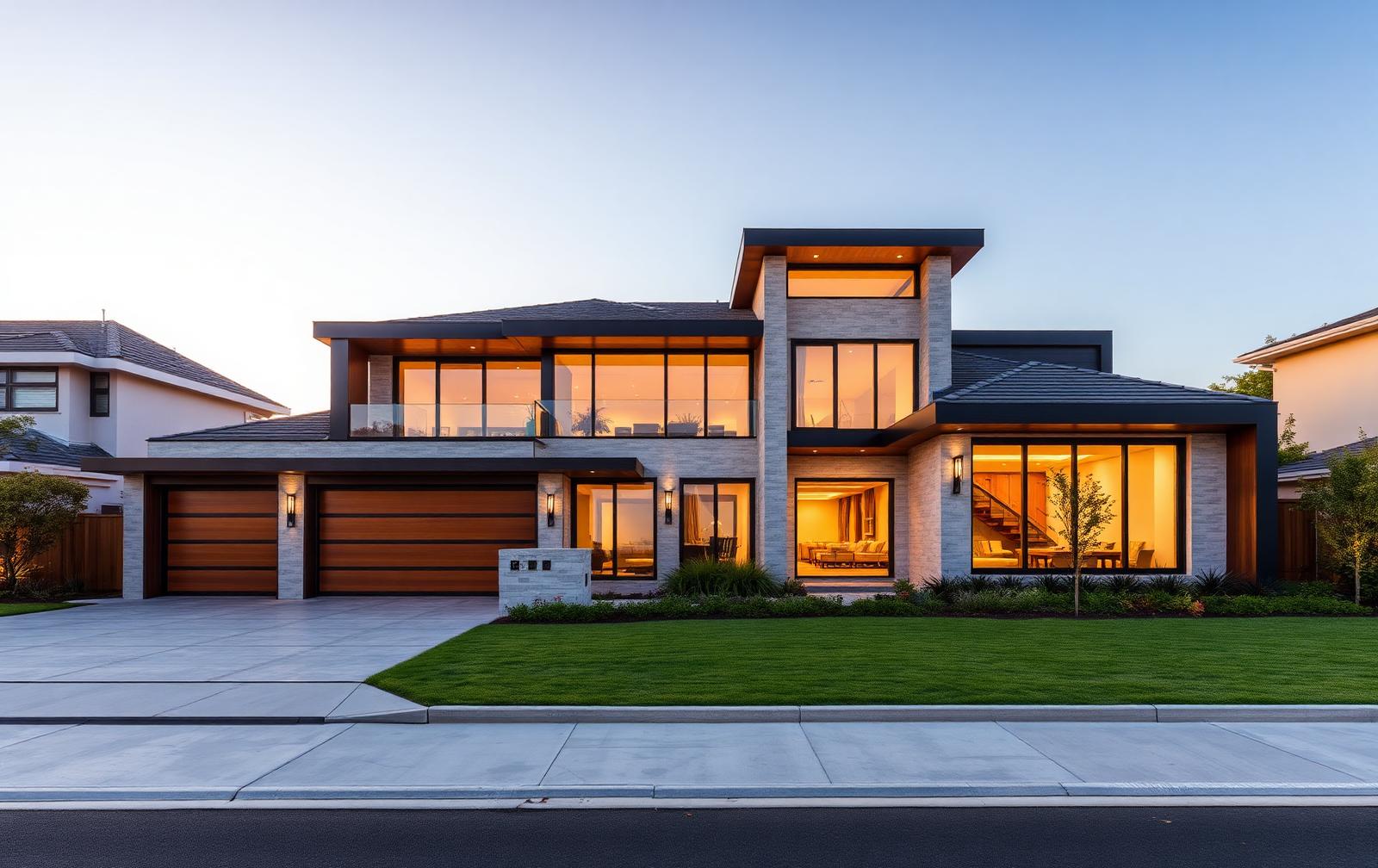
High-value property buyers research for months before they call anyone. By the time a site visit is booked, the shortlist is already made - and it was made online, on a phone, late at night. Developers who treat their website as a brochure lose those buyers to competitors whose digital experience answered the real questions: location, layout, legality, payment plan and progress.
Project pages that answer the buyer's real checklist
Buyers want floor plans, carpet area, orientation, amenities, connectivity, approvals and payment structure. Most project pages give renders and adjectives. Every unanswered question is a reason to enquire somewhere else instead.
Solution: build one page per project with a fixed, comparable structure - pricing band, configurations, plans, location context, approvals and construction status - so a serious buyer can self-qualify without a phone call.
Enquiry forms built for lead quality, not lead volume
A form that captures only a phone number produces a sales team drowning in unqualified calls. Two extra fields - budget band and timeline - separate the buyer from the browser without hurting submissions much.
Solution: qualify inside the form, then route by segment. Give high-intent enquiries an immediate booking option and lower-intent ones a nurture path with project updates.
Local search is the whole game
Property demand is intensely geographic. Buyers search by micro-market, not by developer. If your pages are not built around the locality, the corridor and the configuration, you are invisible at the exact moment intent is highest.
Solution: create locality-level pages with genuine local detail - infrastructure, connectivity, schools, price trends - and link them to the relevant projects. Add structured data so listings and locations are machine-readable.
Trust is the conversion lever
For a purchase this size, credibility outranks creative. Delivered project history, approval details, construction progress updates and named leadership do more for enquiry rates than another cinematic flythrough.
Solution: publish a completed-projects section with real photography and dates, and keep construction updates current. Visible progress is the strongest proof a developer has.
- Give every project page the same complete, comparable information set.
- Qualify in the form with budget and timeline to protect sales time.
- Build locality-level pages - buyers search micro-markets, not brands.
- Publish delivery history and live construction progress as proof.
- Route high-intent enquiries straight to a booking, not a callback queue.